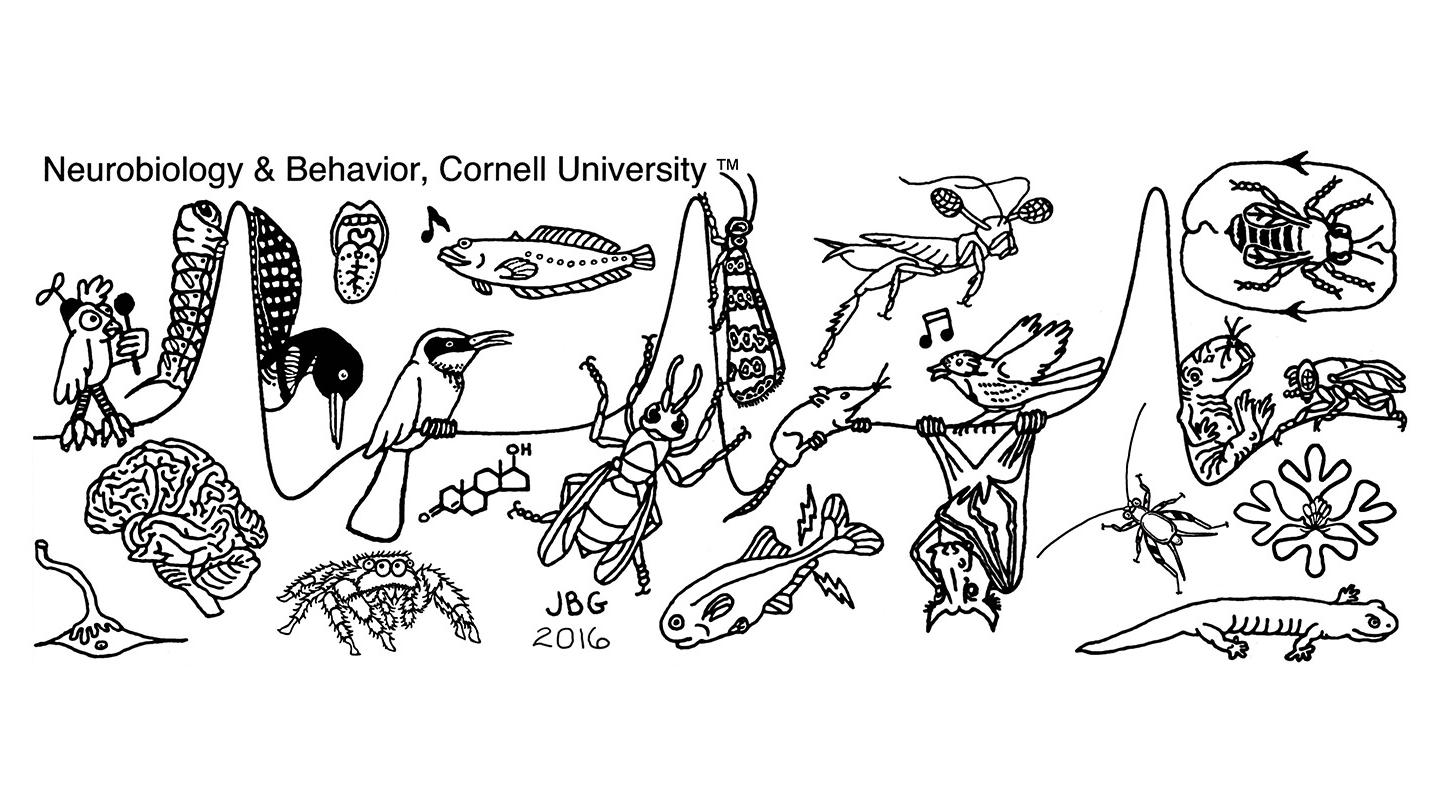
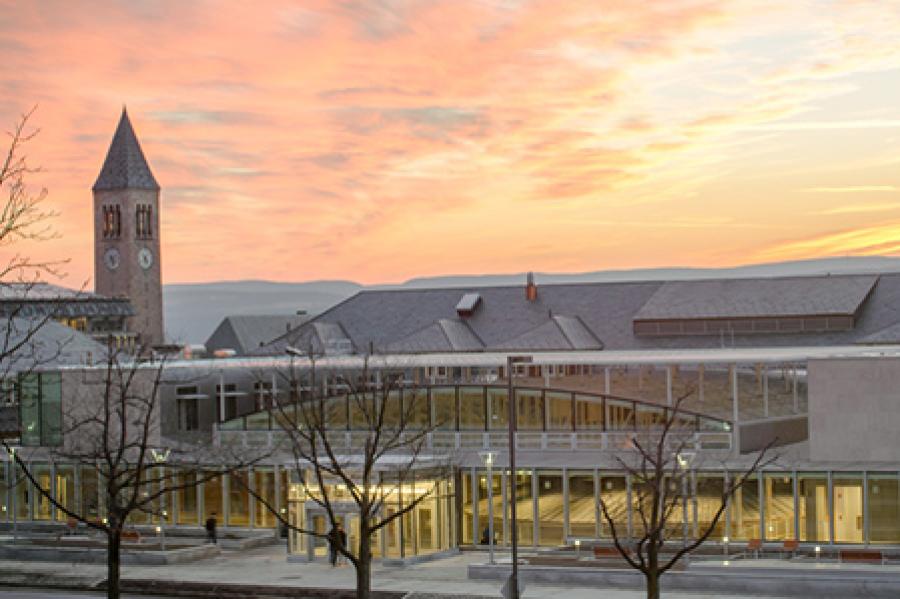
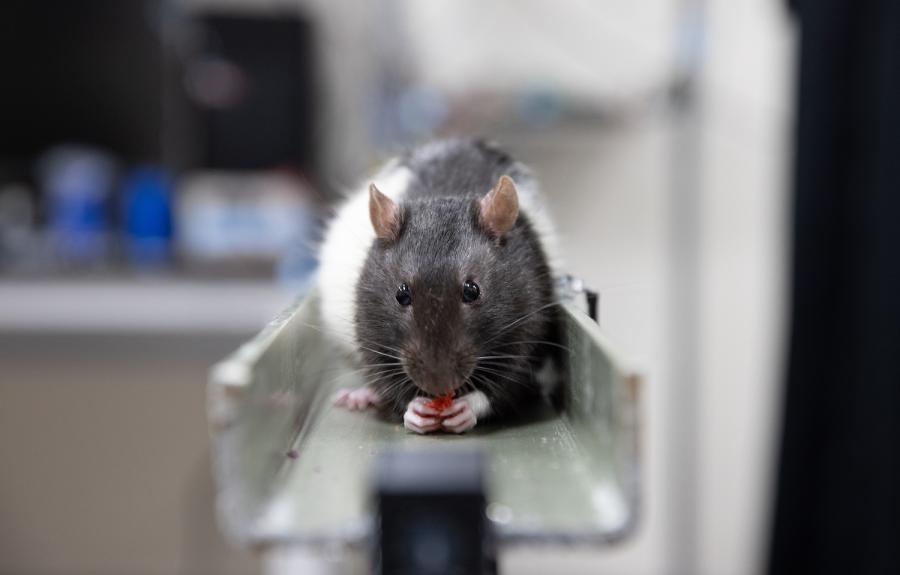
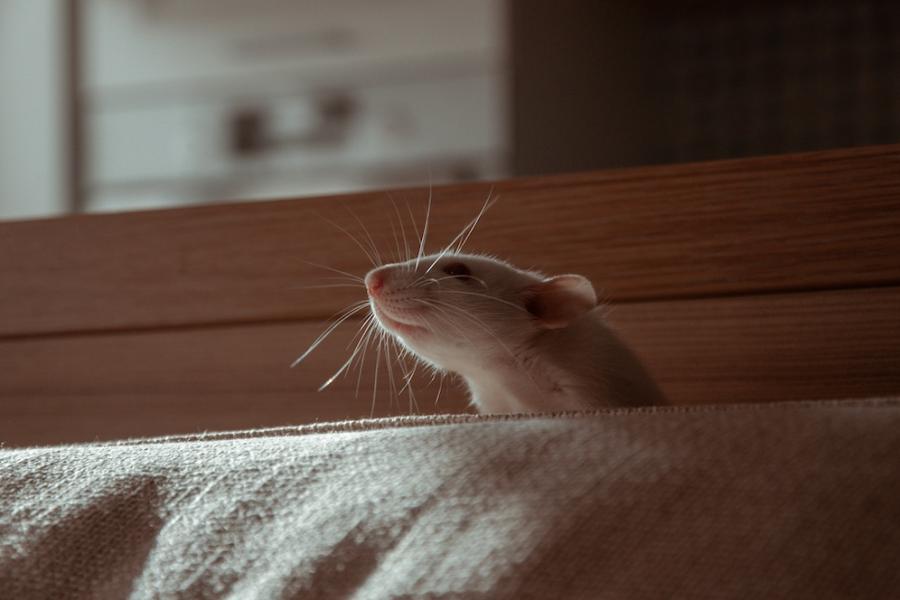
The Department of Neurobiology and Behavior (NBB) was among the first to combine the study of animal behavior with its neural basis. Our faculty and students are dedicated to exploring a wide range of scientific topics, from single neurons and complex circuits to whole organisms and their societies. Central to our mission is the quest to unravel the profound mysteries of how nervous systems generate behavior, including the evolutionary pathways that have shaped brains and behavior over time. We believe these scientific frontiers are not just fascinating but also critical for understanding the intricacies of the brain, the least understood organ that underlies human experience. As a community we adhere to Cornell's Founding Principle of "... any person ... any study".
One of the purported benefits of a college education is the development of a person’s ability to think critically – to be able to reason, to investigate and to approach information with skepticism.
Five Cornell faculty members are among 126 early-career researchers across North America who have won 2026 Sloan Research Fellowships from the Alfred P. Sloan Foundation.
Mark Sarvary, Ph.D. ’06, senior lecturer of neurobiology and behavior in the College of Agriculture and Life Sciences receives The Stephen H. Weiss Teaching Award.
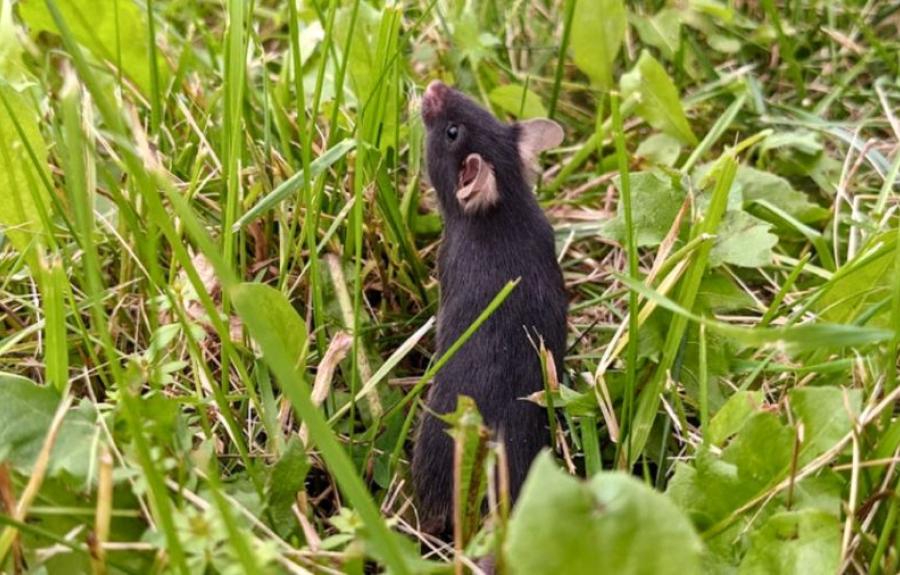
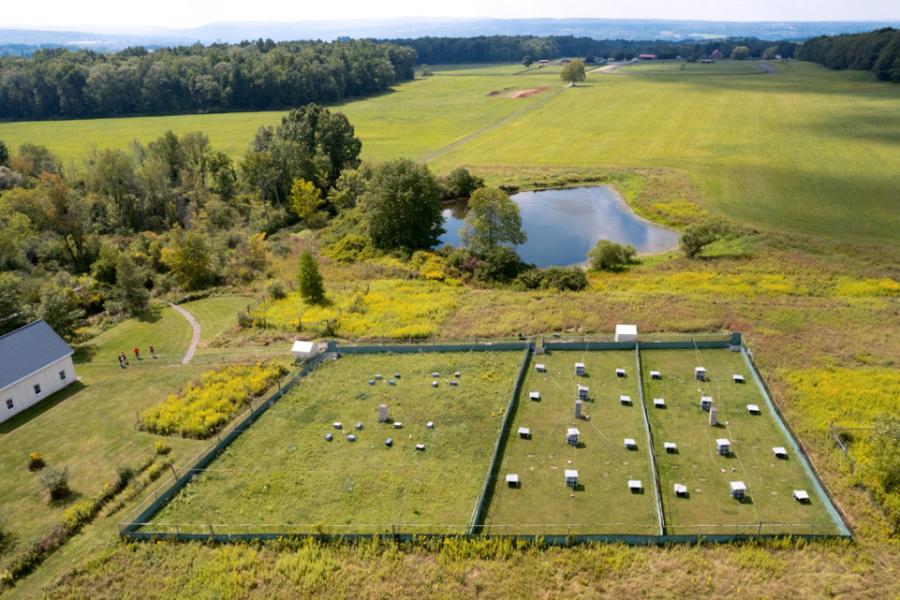
Cornell Researchers are studying mice in an outside enclosure where they are allowed to roam freely. As quoted by Matthew Zipple, postdoctoral researcher in the neurobiology and behavior department, "We put them in the field for a week, and they returned to their original levels of anxiety behavior"
Antonio Fernandez-Ruiz, assistant professor and Nancy and Peter Meinig Family Investigator in the Life Sciences of neurobiology and behavior and Azahara Oliva, assistant professor of neurobiology and behavior found a pattern of ripples in Brain activty during sleep that affects memories. Azahara Oliva said, “This study advance our understanding of memory processing in the brain". Antonio Fernandez-Ruiz is quoted as saying, “Ripples are mediating the transfer of memory from the initial encoding in the hippocampus to long-term stable storage in the neocortex” Read the entire story in Neuroscience News.